
Pathways to Conservation
Pathways to Conservation connects wildlife protection with community empowerment, creating meaningful opportunities for local people to play an active role in safeguarding nature.
The initiative focuses on skills development, sustainable jobs and education, equipping individuals and families with practical pathways to improved livelihoods and long-term stability. In doing so, it strengthens pride and custodianship of local natural heritage while supporting sustainable growth.
By pairing conservation with economic opportunity, Pathways to Conservation helps protect wildlife and build resilient communities that thrive alongside the ecosystems they protect.
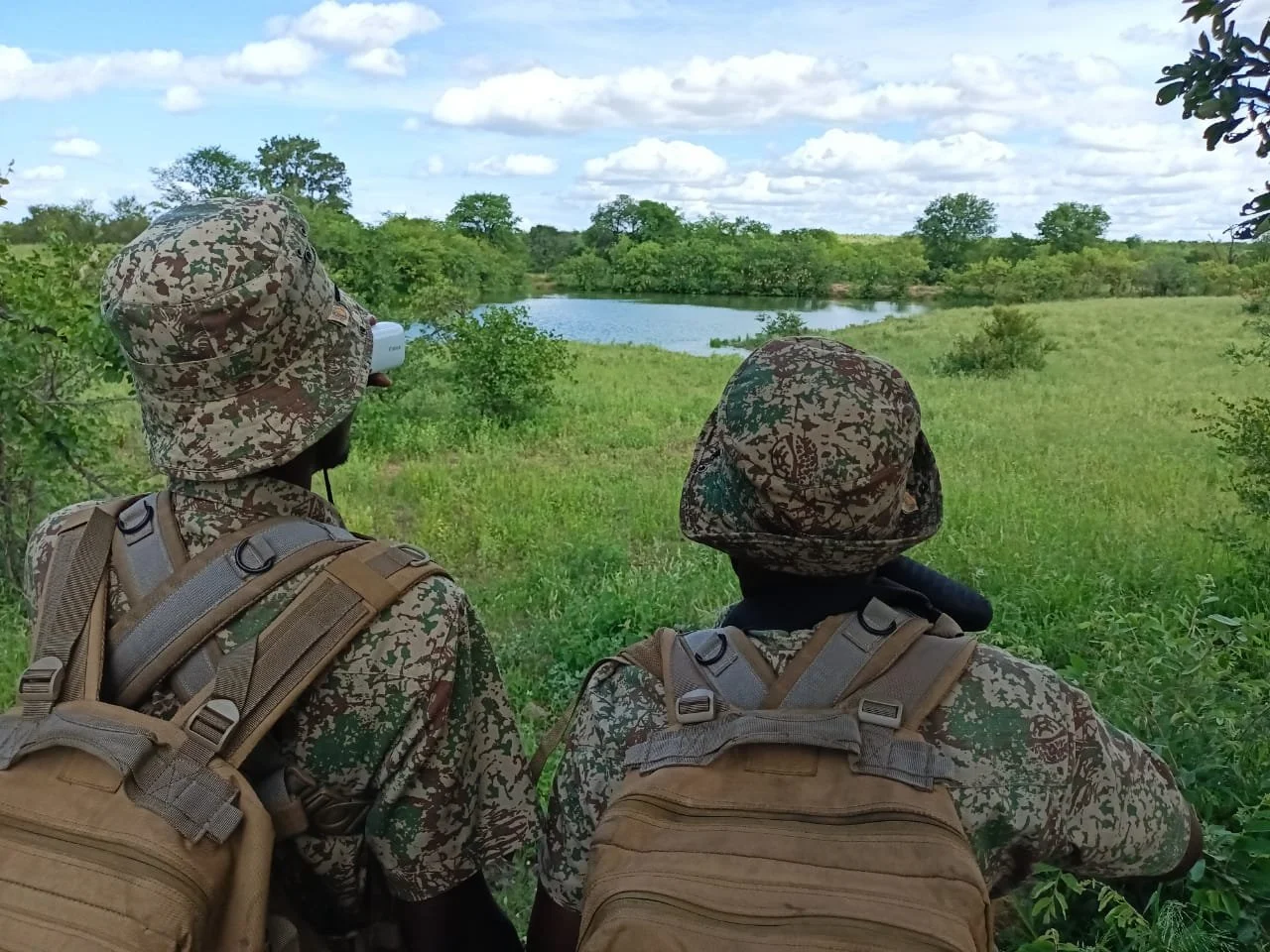
A cornerstone of sustainable conservation efforts, providing local individuals with meaningful job opportunities tied directly to wildlife protection and environmental stewardship. From roles in habitat restoration, reserve maintenance, and eco-tourism to positions in education, anti-poaching, and wildlife monitoring, these jobs empower communities to actively participate in safeguarding their natural heritage.
Beyond economic benefits, community employment gives a sense of responsibility, reducing human-wildlife conflict and promoting coexistence. It creates positive change, improving livelihoods, strengthening local economies, and ensuring the long-term success of conservation initiatives.
Community employment

Focus on equipping local communities with essential skills to enhance their livelihoods and foster self-reliance. These workshops cover areas such as crafts, sustainable agriculture, eco-tourism, and wildlife conservation, creating opportunities for individuals to develop marketable skills.
Special emphasis is placed on women’s empowerment, offering tailored programs that promote entrepreneurship, leadership, and financial independence. By uplifting women and providing them with tools to succeed, the workshops strengthen entire communities, driving economic growth and social equality.
Empowerment workshops
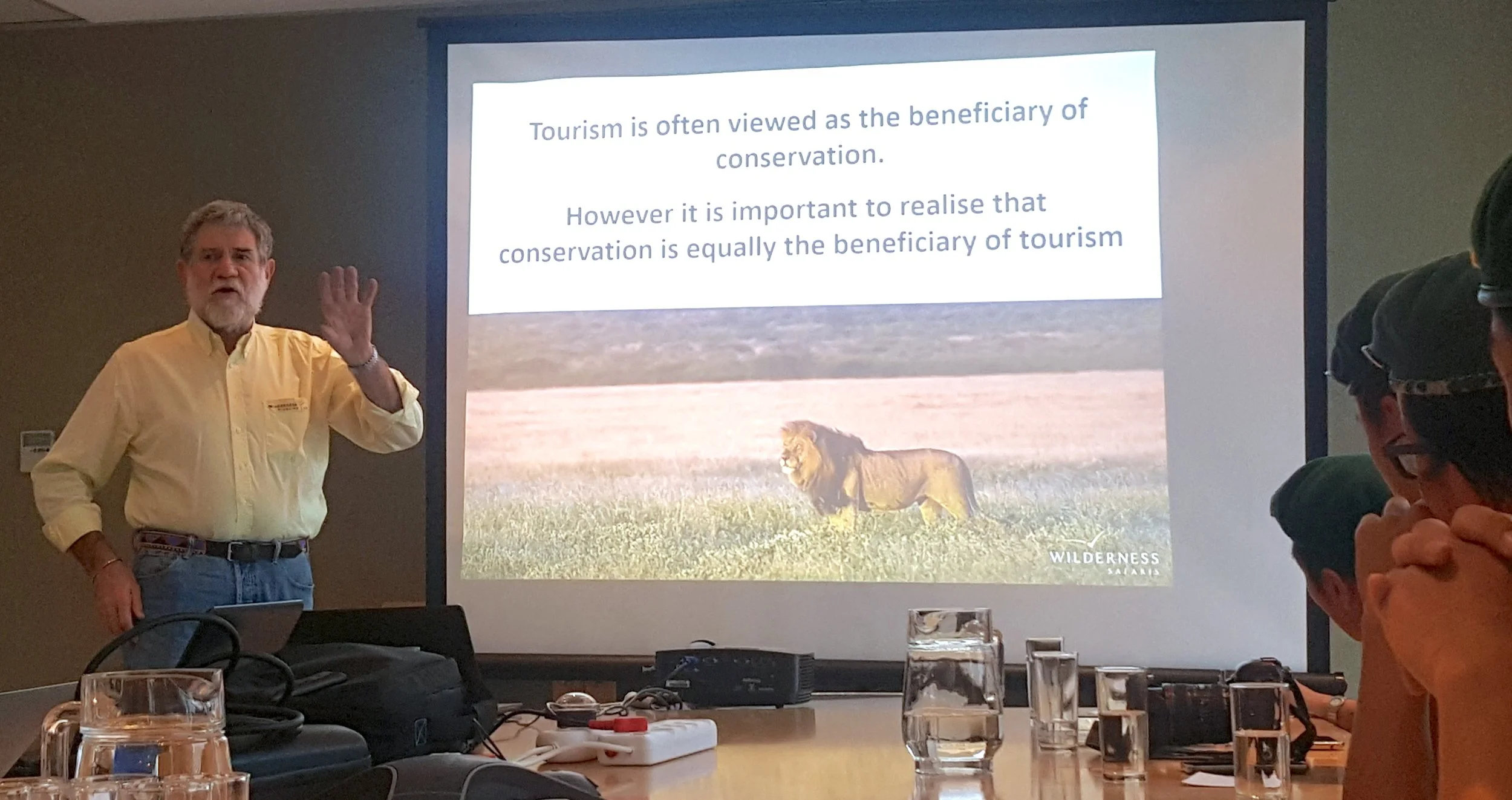
Training in areas such as tourism equips local communities with the knowledge and skills to thrive in eco-tourism and hospitality sectors. Participants learn key aspects such as customer service, guiding, lodge management, and sustainable tourism practices, ensuring they can provide memorable experiences while preserving the environment.
This training not only creates meaningful employment opportunities but also helps communities benefit directly from the natural beauty and wildlife around them.
Industry training
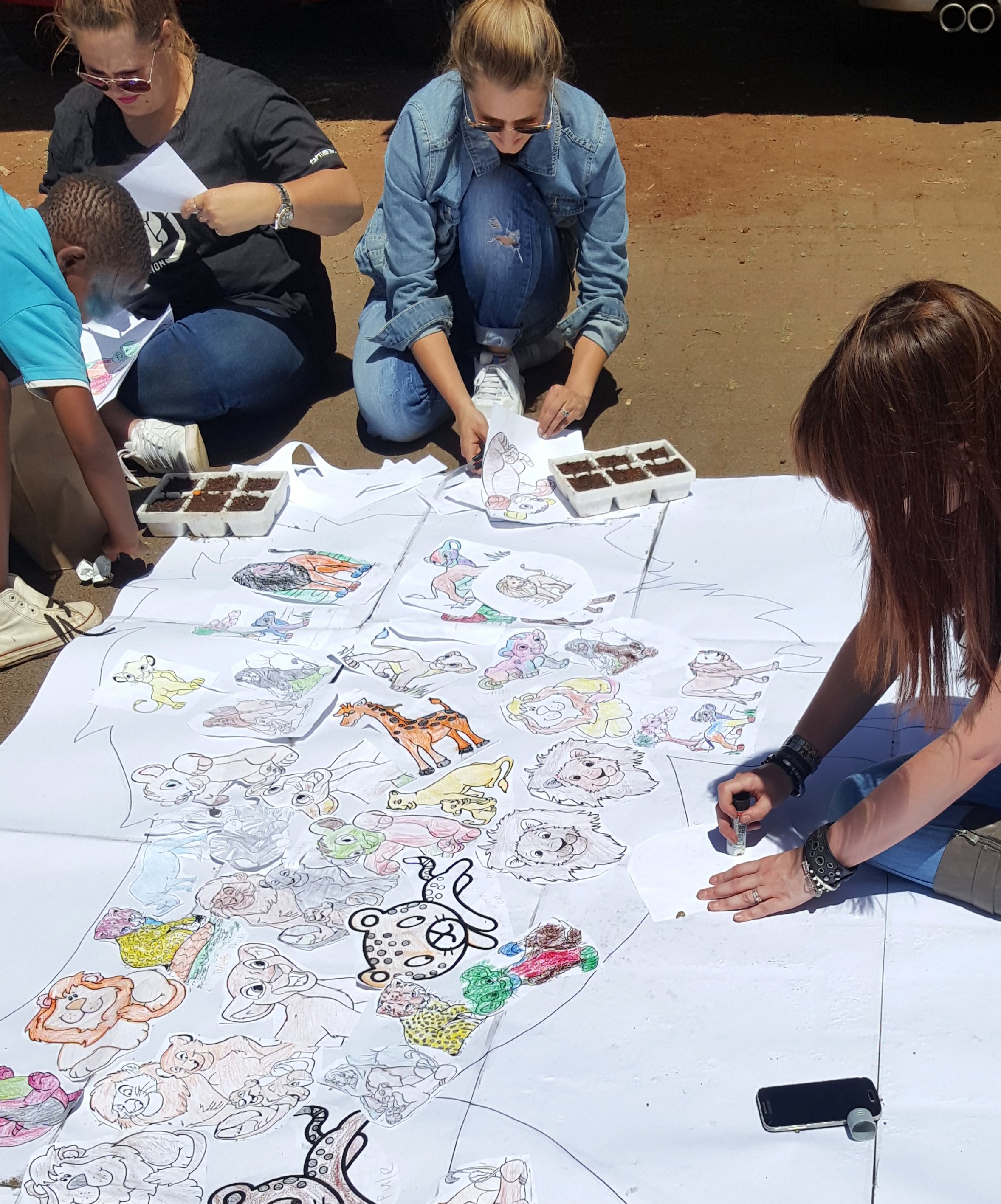
An educational initiative designed to inspire the next generation of environmental stewards. Through hands-on learning experiences, children gain a deep understanding of wildlife conservation, sustainability, and the importance of preserving natural ecosystems, The curriculum blends outdoor activities with classroom lessons, encouraging curiosity and a sense of responsibility towards nature.
By empowering young minds with knowledge and skills, the Eco-School fosters a generation that is not only aware of environmental challenges but is actively engaged in finding solutions for a greener, more sustainable future.