
Big Cats of Tomorrow
In South Africa, wild lions exist almost exclusively within fenced reserves, with the exception of far northern Limpopo Province. When found outside protected areas, they are typically in high-risk situations. Leopards, by nature, roam wider landscapes — and on large reserves, escapes are not uncommon, driven by territorial instinct or pressure from dominant animals.
Beyond reserve boundaries, these cats become highly vulnerable to human-wildlife conflict. Conservation teams work to capture and relocate them, but suitable sites are scarce and the process is time-consuming. Currently, no facility in South Africa addresses these challenges as comprehensively as the envisioned Khaya Varindzi concept.
This groundbreaking initiative aims to establish a unique facility providing a safe, near-natural habitat for big cats in need — giving compromised lions, leopards, and other large predators a secure space to recover and prepare for relocation.
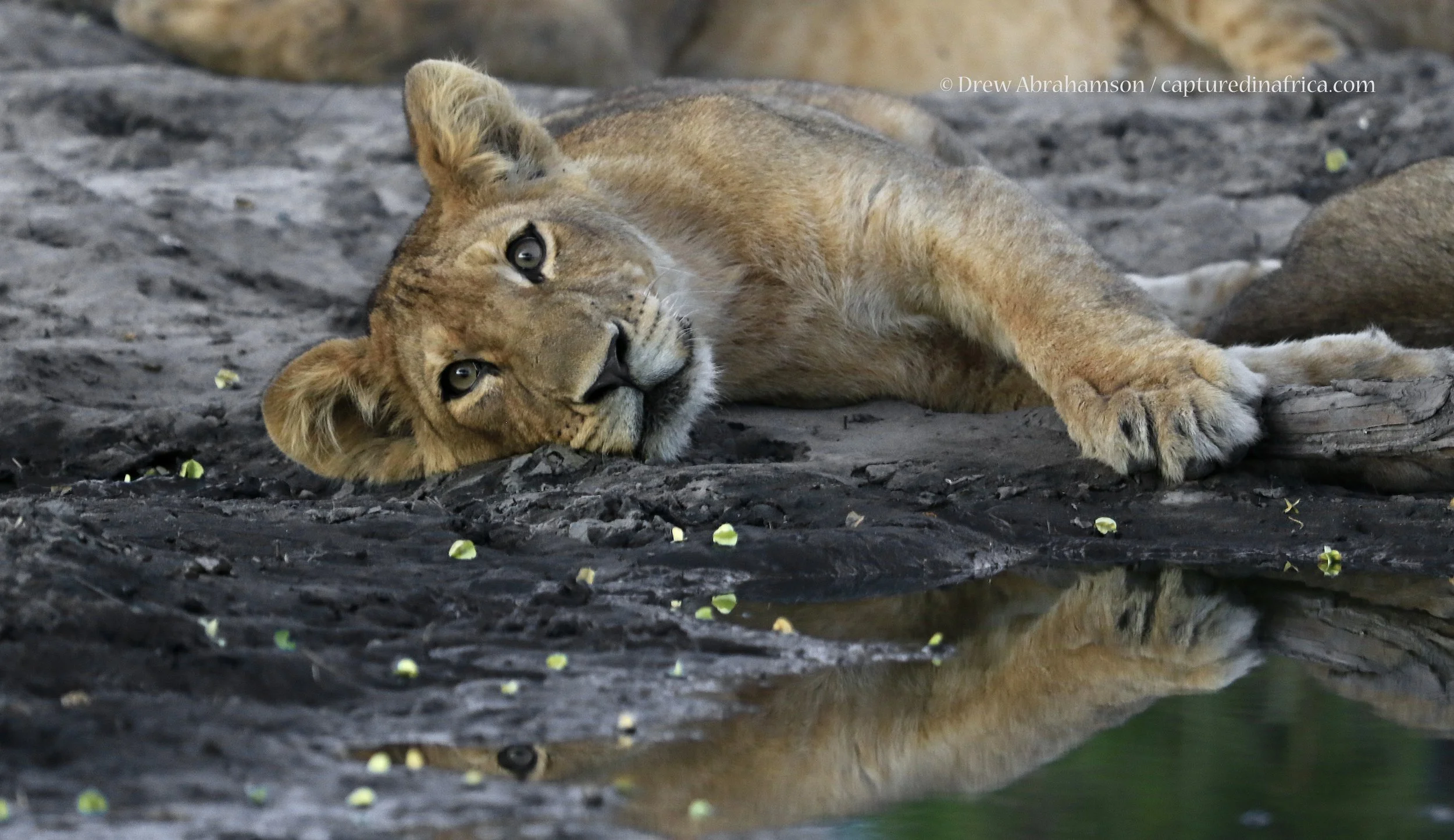
This designated "no-go" zone will provide large bomas for big cats that stray from reserves and enter community and rural areas, posing a risk to both residents and big cats.
Once captured, they will be brought here to stay wild until released, as lions habituated to humans cannot return to the wild.
The naturally design bomas minimise stress and prevent pacing behaviours.
Wild Rescue & Rehabilitation
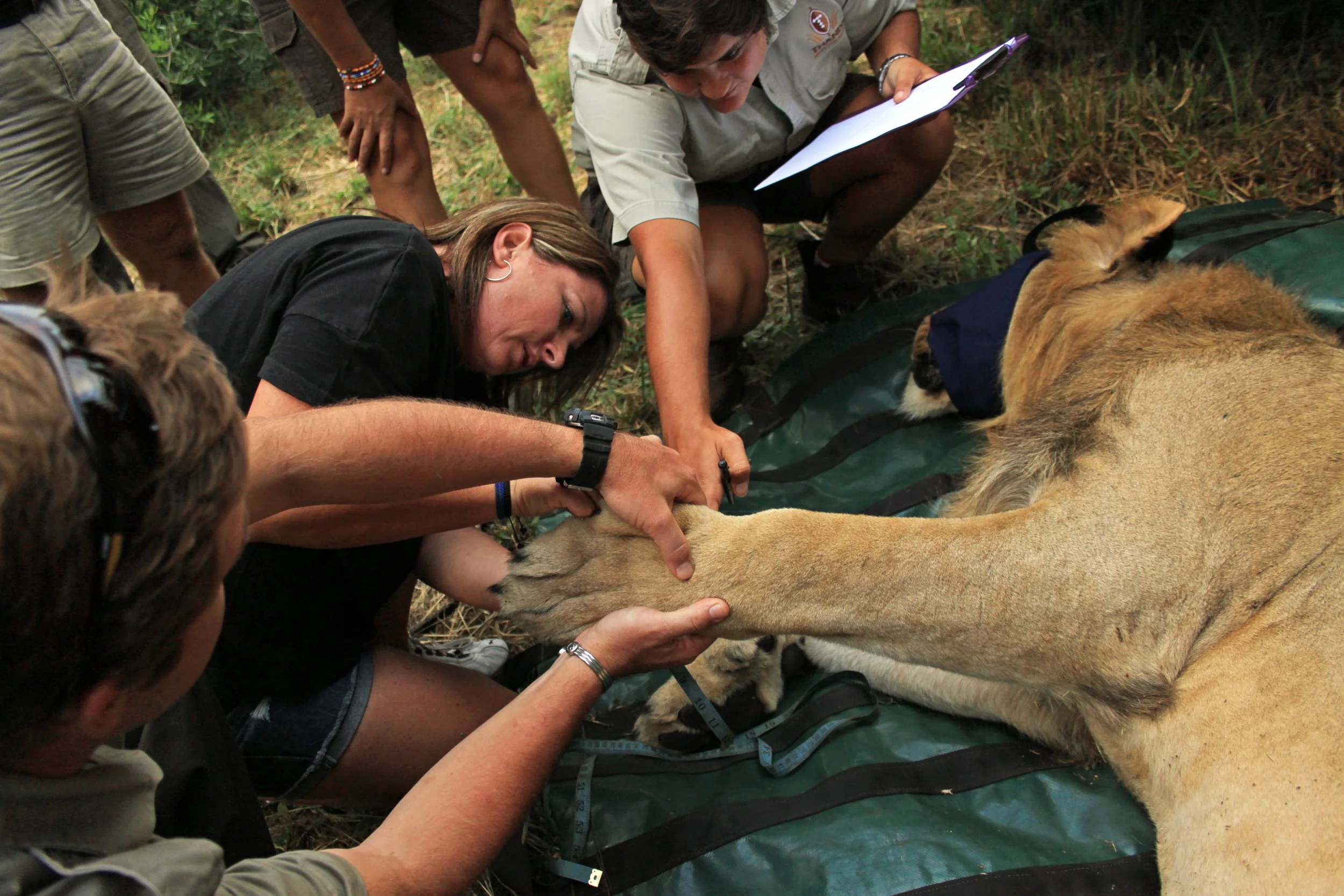
A critical ICU and medical facility for injured big cats, especially those, like leopard who are caught in traps, Injuries, such as torn paw pads or broken teeth, can impede hunting, making immediate care essential.
The area is designed for initial treatment and recovery privacy, with access to larger enclosures. This process will be done under veterinary supervision as they heal and a suitable rehabilitation site is established.
Veterinary
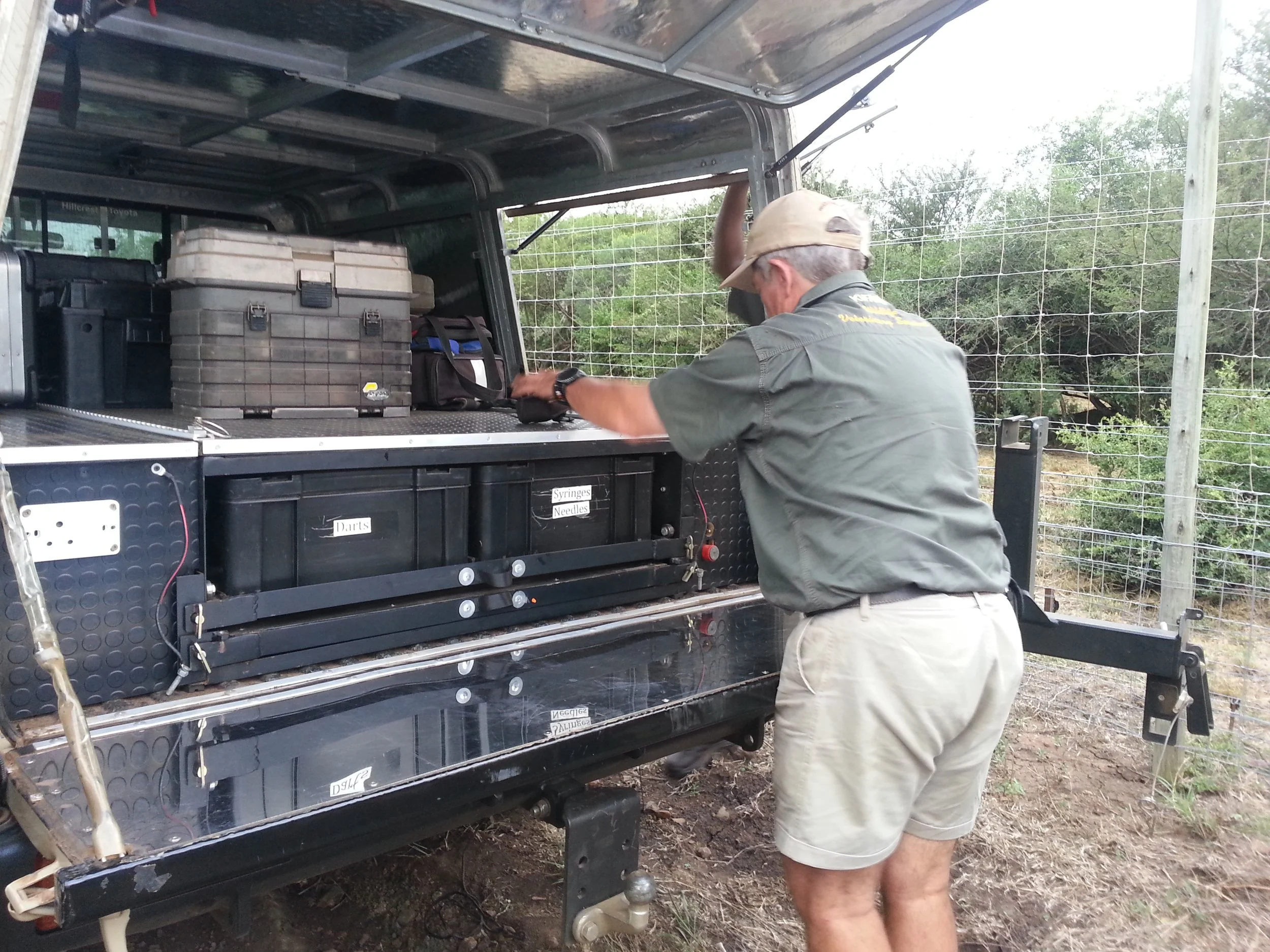
Vital for understanding and addressing the challenges faced by Africa’s wildlife, research efforts will focus on but not limited to, studying big cat behaviour, tracking wildlife movements, monitoring ecosystem health, and developing innovative conservation strategies. Through collaborating with universities, scientists, and research organisations, the facility will serve as a knowledge hub, providing valuable insights to improve wildlife management practices.
This research not only informs effective conservation decisions but also raises awareness globally about the urgent need to protect endangered species, it strengthens the facility’s impact by combining science with action, ensuring that efforts are data-driven and sustainable for future generations.